

Blog
Understanding Vineyard Bougies & Frost Protection Torches

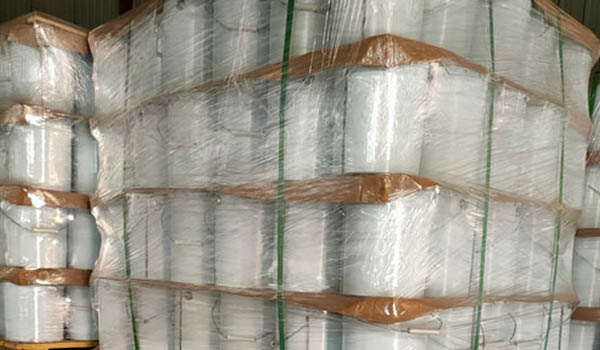
Spring frost remains the single greatest threat to global viticulture. According to industry reports from leading organizations like WineGB and Wine Australia, late-season frost events during budburst can eradicate up to 70% to 100% of a vineyard’s annual yield in a single night. As climate volatility increases, deploying a reliable active frost defense system is no longer optional for commercial growers.
Choosing the right defense depends on budget, topography, and scale. Below is an authoritative analysis of the top 5 vineyard frost protection systems utilized by global growers for the 2026 spring season.
The Top 5 Frost Protection Systems Compared
| System | Primary Mechanism | Best Suited For | Key Limitation |
|---|---|---|---|
| 1. Wind Fans | Pulls down inversion layer warm air | Flat, wide terrains with strong thermal inversion | High capital cost; useless without inversion |
| 2. Sprinkler Systems | Releases latent heat through freezing water | Regions with abundant, high-pressure water access | High water consumption; risk of soil saturation |
| 3. Frost Candles (Bougies) | Direct radiant heat + micro-smoke blanket | Slopes, small-to-medium plots, and emergency fills | High labor intensity; variable running costs |
| 4. Gas/Oil Heaters | Direct air heating via fuel combustion | Extreme frost zones needing rapid temperature spikes | High fuel costs; carbon-heavy emissions |
| 5. Helicopter Downwash | Forces warm air down into the vine canopy | Premium, high-value estates with flexible budgets | Extreme cost; complex nighttime logistics |
Deep Dive: Understanding Vineyard Bougies & Frost Protection Torches
In European markets (especially France and the UK) and Australia, commercial growers rarely look for generic terms. They specifically source Vineyard Bougies or Frost Protection Torches. These terms refer directly to agricultural frost candles.
While they look like oversized metal tins, frost candles are completely distinct from retail, domestic, or household candles. They are highly engineered industrial assets built for two distinct survival metrics:
1. Massive Heat Output
A domestic candle is designed for ambiance and minimal heat. A professional Vineyard Bougie generates between 20,000 to 25,000 kJ of heat energy per hour. When deployed at 300 to 400 tins per hectare, they elevate the localized canopy temperature by 2°C to 4°C, creating a warm micro-climate that wards off freeze injuries.
2. The 8-Hour Combustion Threshold
Spring frosts typically strike at midnight and peak during the freezing dawn hours between 3:00 AM and 6:00 AM. Frost candles must deliver an uninterrupted burn time of at least 8 to 10 hours to ensure the vineyard survives the entire frost window. To achieve this massive, sustained flame without drowning, industrial frost candles utilize thick wood wicks or structural corrugated paper wicks. These heavy-duty wicks draw up large volumes of melted wax rapidly, resisting high spring winds and driving rain that would easily extinguish a standard cotton wick.
The Green Transition: The Hidden Cost Extrusion
The European market is experiencing a massive shift toward sustainability. The major premium brands in Europe now exclusively promote 100% vegetable-wax (stearine/soy-based) bougies.
The Regulatory Driver
This shift is mandated by tightening environmental laws. Under the European Green Deal and the EU Emissions Trading System (ETS), local European councils and agricultural unions are heavily restricting or outright banning traditional fossil-fuel derivatives. Burning hundreds of petroleum-based paraffin candles releases thick, black, carbon-heavy smoke, violating regional air quality directives and carbon reduction targets.
The Small-Grower Crisis
While eco-friendly vegetable wax candles solve the compliance problem, they introduce a harsh financial reality: vegetable wax raw materials cost significantly more than traditional paraffin.
This price surge has effectively filtered out and excluded a massive tier of small-to-medium-sized family vineyards and lower-margin fruit orchards (such as apple, cherry, and plum growers). These smaller operations cannot absorb the premium cost of 100% vegetable bougies, leaving their crops vulnerable to spring freezes.
The Tabo Candle Solution: Balancing Cost and Compliance
To bridge the dangerous gap between expensive green candles and illegal, highly polluting paraffin wax, TaBo has launched a product strategy to address this issue:
Recycled Material Engineering
Tabo candles are engineered utilizing recycled candle waste, industrial run-offs, and secondary refined waxes. Rather than relying on expensive virgin crop waxes or raw crude oil, this approach intercepts existing wax materials before they reach landfills, driving down production and material costs significantly.
The Strategic Balance
For the budget-conscious vineyard or orchard owner, Tabo candles offer a pragmatic compromise:
- Cost Efficiency: Priced at a fraction of the cost of premium European vegetable-wax brands, making wide-scale emergency deployments financially viable for small farms.
- Environmental Balance: By optimizing the wax blend in our specialized laboratory and matching it with high-efficiency corrugated paper wicks, Tabo candles achieve clean combustion with significantly lower smoke emissions compared to traditional unrefined paraffin.
This allows commercial growers to remain compliant with localized smoke nuisance regulations while protecting their seasonal margins from devastating late-spring frosts.
If you are a commercial vineyard manager or agricultural distributor evaluating your defense inventory, let us know:
- What is your target acreage/hectarage?
- What are your local environmental or smoke-emission restrictions?
We can work with you to customize blended wax formulations that meet your burn time and smoke emission requirements, thereby optimizing your operating costs.